
The Eyes Are the Window to the Heart
What the tiny vessels at the back of your eye reveal about blood pressure, arterial stiffness and cardiovascular risk.
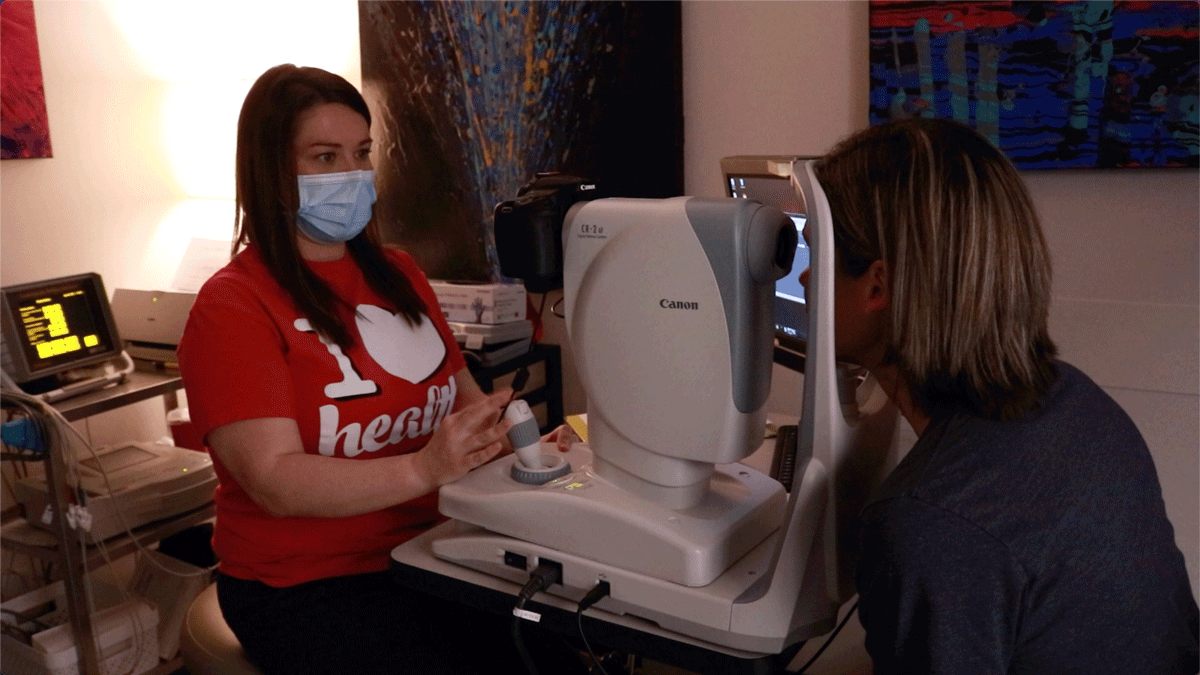
It is amazing how the body has been made. Though some parts of the body require complex tests to investigate their function, doctors can directly see the veins and arteries in the back of the eye, giving a window of insight into overall cardiovascular health.
You see, the arterial walls get a bit more muscular development (hypertrophy) when there is uncontrolled or undercontrolled high blood pressure (hypertension). The arteries become thicker, just like any other muscular area. Though beefy arteries may sound like a good thing, it results in decreased elasticity, and may even represent subtle development of atherosclerosis.1 When the heart pumps, a burst of blood moves through the veins. Arteries with elastin degradation are not as able to adapt to the surge in volume. The heart has to work harder with hypertrophic arteries. By DIRECTLY looking at the arteries and veins in the retina, we can very specifically measure this, like nowhere else in the body.
Further Problems with Hypertension
Hypertension alone is a risk factor for cardiovascular disease, but furthermore, it can also cause damage to the arterial wall because of the increased pressure and lack of elasticity. White blood cells responding to damaged walls can contribute towards plaque formation, resulting in atherosclerosis (narrow, stiff arteries). Atherosclerosis is an additional independent risk factor for cardiovascular disease. These two factors are so intertwined that they each make you more likely to develop the other.2 Narrow, stiff arteries are more prone to blockages, which can cause a heart attack or stroke.
Cardiovascular disease is the leading cause of death in the United States3 and worldwide4, so it is worth taking an aggressive proactive approach towards prevention. In fact, every 40 seconds, someone in the United States has a heart attack or stroke.5
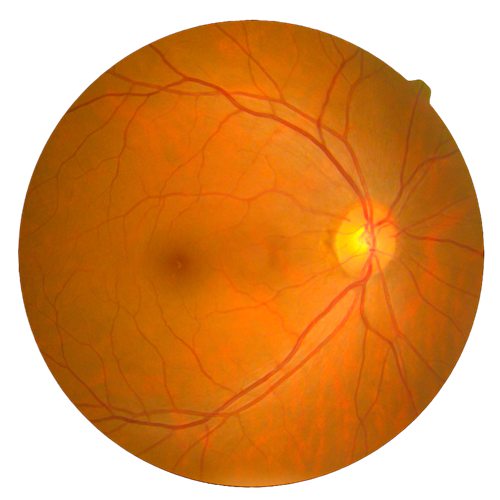
Simply measuring the tiny vessels in the back of the eye to see how muscular they are, we are able to extrapolate what’s happening in other parts of the body, like the heart blood vessels. Using digital equipment, gerstenberg.clinic captures retinal images of the patient’s eye, views and measures these vessels, and adds this data into the calculations we do in our HeartSmart assessment.6
Getting your eyes checked at the optometrist is not sufficient, as we use particular measuring software to take the readings. Additional assessments may be made by your eye care provider for diabetic changes and more serious macula and optic nerve disease, but it is highly unlikely that an optometrist will be checking for cardiovascular health.
Cardiovascular Assessment and Event Prevention
A well-rounded assessment of cardiovascular fitness includes many elements, including personal risk factors, current labs and measurements called biomarkers. This is why we don’t just take your blood pressure reading, but dig deeper by measuring your retinal arteries. The additional data confirms relevance.
Similarly, a well-rounded approach to building and maintaining a healthy cardiovascular system also includes many factors. Diet, lifestyle, exercise as suitable to fitness level, reducing excess body fat7 (consider Reforming Life), medical assessments using labs, biometric measurements as in the HeartSmart6 panel are the first line of attack, possibly followed by a calcium scoring exam8 or stress testing, or direct intervention/heart catheterization or even cardiovascular surgery if necessary. Consistency in the “basics” is important to achieve and maintain cardiovascular fitness and prevent expensive urgent treatments.
We each have choices to make, but having knowledge is the first step to know where you are so that intentional action can be taken. Have you had your HeartSmart exam lately?
As always, if you have any further questions, please ask next time you are at the clinic!
References
- McEniery CM, Spratt M, Munnery M, Yarnell J, Lowe GD, Rumley A, Gallacher J, Ben-Shlomo Y, Cockcroft JR, Wilkinson IB. An analysis of prospective risk factors for aortic stiffness in men: 20-year follow-up from the Caerphilly prospective study. Hypertension. 2010 Jul;56(1):36-43. Epub 2010 Jun 7. PMID: 20530296. doi.org/10.1161/HYPERTENSIONAHA.110.150896
- Mitchell GF. Arterial stiffness and hypertension: chicken or egg? Hypertension. 2014 Aug;64(2):210-4. doi.org/10.1161/HYPERTENSIONAHA.114.03449
- CDC: Leading causes of death
- Our World in Data: Causes of death
- Benjamin EJ, et al. Heart Disease and Stroke Statistics—2017 Update: A Report From the American Heart Association. 2017 Jan 25. doi.org/10.1161/CIR.0000000000000485
- HeartSmart Systems
- Powell-Wiley TM, et al. Obesity and Cardiovascular Disease: A Scientific Statement From the American Heart Association. Circulation. 2021;143:e984–e1010. doi.org/10.1161/CIR.0000000000000973
- The Heart Test You May Need—but Likely Haven’t Heard of. Johns Hopkins Medicine. hopkinsmedicine.org