
Fall Routines: Coffee, Sweaters, and Scheduling Your Mammogram
Who should be screened for breast cancer and when, your options if you’d rather not have a mammogram, the habits that lower your risk, and an honest look at IV vitamin C.

Along with the arrival of pumpkin spice lattes and other fall favorites, every October Breast Cancer Awareness Month is a reminder to take stock of your breast health.
Breast cancer is the most common cancer in women aside from skin cancer, but be encouraged: when it is found early, it is highly treatable. We will look at who should be screened, how the current guidelines differ, what to do if you would rather not have a mammogram, how to lower your risk naturally, and take an honest look at wellness IV therapies, like high-dose vitamin C and methylene blue, that are increasingly promoted for cancer support.
Who should be screened

Screening recommendations depend on your personal risk.
Average-risk women. Most major U.S. organizations now agree that screening mammography should be available starting at age 40. The U.S. Preventive Services Task Force recommends a mammogram every 2 years from ages 40 to 74. The American College of Obstetricians and Gynecologists, the American College of Radiology and the National Comprehensive Cancer Network support starting at 40, with the NCCN and ACR favoring every year. The American Cancer Society gives women ages 40–44 the choice to start, recommends yearly mammograms for ages 45–54, and allows a switch to every 2 years at 55 and older. One notable outlier is the American College of Physicians, which advises women ages 40–49 to make an individual decision after discussing the benefits and harms with their clinician, and recommends screening every 2 years for ages 50–74. The differences between these groups have fueled ongoing public debate.
Screening in your 40s: there is real but modest benefit, along with a higher chance of false alarms and extra testing. If you are in this age group, it’s a good conversation to have with your provider about your own values and risk.
Higher-risk women. Some women should start earlier and add MRI. This includes women with a known BRCA1/BRCA2 or other high-risk gene change, a strong family history, a calculated lifetime risk of 20% or higher, prior chest radiation between ages 10 and 30, or certain high-risk breast biopsy findings. For these women, guidelines generally recommend a yearly mammogram plus a yearly breast MRI, often beginning in the 20s or 30s depending on the specifics. If breast cancer runs in your family, ask about a formal risk assessment and whether genetic counseling makes sense.
When to stop. There is no firm upper age limit. Screening is generally continued as long as a woman is in good health with a life expectancy of about 10 or more years.
Practical tips on screening
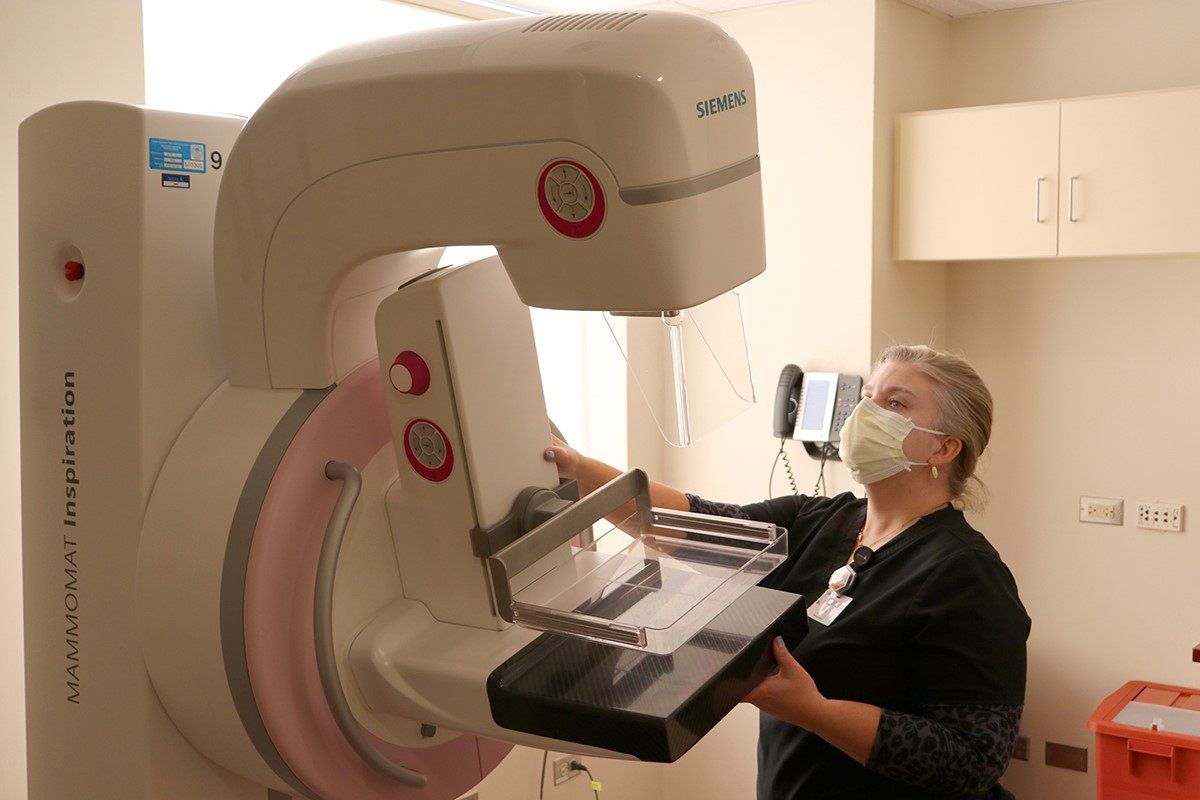
- Ask for 3D mammography (tomosynthesis) when available. It finds slightly more cancers and leads to fewer call-backs than standard 2D mammograms.
- Know your breast density. Dense breasts are now reported to you by law. Dense tissue both raises risk and makes cancers harder to see on a mammogram, so density is worth discussing.
- Practice breast awareness. Know how your breasts normally look and feel, and promptly report any new lump, skin or nipple change, or persistent abnormality, regardless of when your last mammogram was.
If you would rather not have a mammogram
A mammogram remains the only test proven to lower breast cancer deaths in average-risk women, so the first step is to understand what is behind the reluctance (discomfort, radiation worry, or a prior bad experience), because many concerns can be addressed. That said, there are other imaging tools, each with trade-offs:
- Breast ultrasound uses no radiation and can find additional cancers in dense breasts. It is mainly a supplement to a mammogram for dense breasts.
- Breast MRI is the most sensitive test and uses no radiation, but it requires an IV contrast dye, costs more, and produces more false alarms. It is used in addition to mammography in high-risk women. It is not a general replacement for mammography in average-risk women.
- Contrast-enhanced mammography and molecular breast imaging are newer options for selected situations, usually when an MRI cannot be done.
- Thermography is digital infrared thermal imaging that produces a heat map of the surface of the breast tissue. It is not currently recommended as a substitute for mammography, but some women may use it alongside other screening methods.
If you decline screening entirely, the most important safety net is breast awareness and prompt evaluation of any new symptoms.
Lowering your risk: what actually works

A meaningful share of breast cancers (by some estimates, up to a quarter in high-income countries) are linked to modifiable habits. The strongest evidence supports:
- Limit or avoid alcohol. Any amount raises breast cancer risk; less is better.
- Stay active. Aim for 150–300 minutes of moderate activity each week; more is better.
- Reach and keep a healthy weight, especially after menopause, when excess weight raises risk.
- Eat a mostly plant-based diet of vegetables, fruit, legumes, whole grains and healthy fats, while limiting red and processed meats, refined carbohydrates and sugary foods.
- Don’t smoke, and breastfeed if you are able. Both are linked to lower risk.
A straight answer on wellness IV therapies (vitamin C, methylene blue)
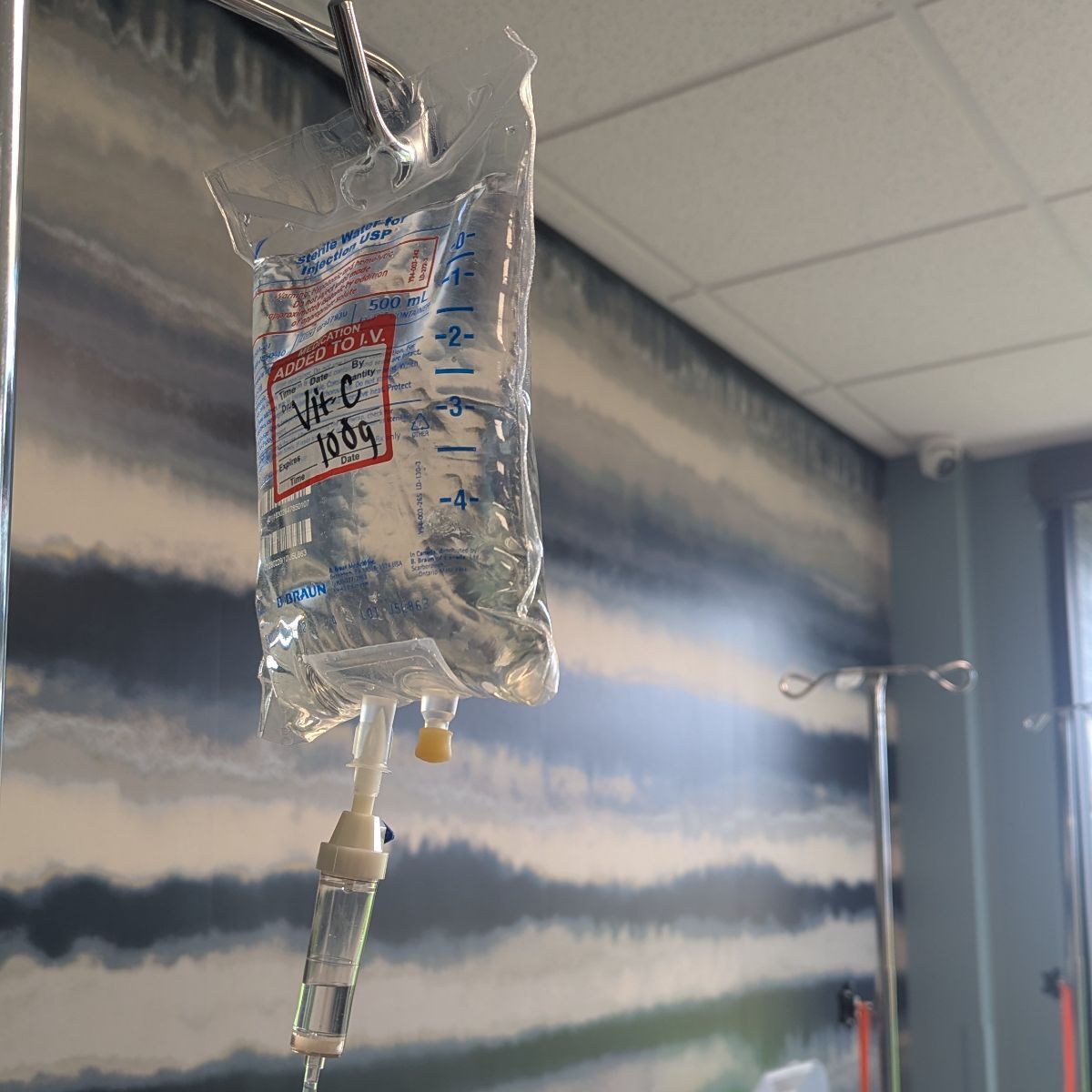
High-dose intravenous (IV) vitamin C, methylene blue and similar infusions have been mentioned in the media as possible add-ons to standard breast cancer treatment. Here is what the evidence shows at this time:
- None of these is a proven treatment or prevention for breast cancer, and none should replace standard care such as surgery, radiation, hormonal therapy or chemotherapy.
- High-dose IV vitamin C is genuinely interesting in the laboratory: at the very high blood levels only achievable by IV (not by pills), it can damage cancer cells. Clinical studies suggest it is generally safe and may improve quality of life, easing fatigue, nausea and appetite loss, when added to standard treatment.
- Methylene blue has shown anti-cancer effects in cell and animal laboratory studies, almost entirely as part of “photodynamic therapy,” where a light source is applied directly to tissue. This preclinical research warrants further investigation. Methylene blue works as an antioxidant by neutralizing free radicals, reducing oxidative stress and protecting your cells from damage, which can be helpful when undergoing cancer treatment.
- Oral vitamin C supplements do not reach the blood levels studied for anti-cancer effects, and routine supplements are not recommended for cancer control; nutrients are best obtained from food.
If you are drawn to these therapies, the safest approach is to bring them to your oncologist before starting. They may be reasonable as a complementary, comfort-focused add-on in specific situations.
Key messages
The two things with the strongest evidence behind them are also the simplest: get screened on a schedule that fits your risk, and build everyday habits that lower your risk: limiting alcohol, staying active, maintaining a healthy weight and eating well.
So when you are ordering your favorite fall coffee or decorating for the upcoming holidays, use this time to schedule the mammogram you’ve been putting off and talk with your provider about your personal risk.