
Are You Staying Hydrated?
Why heat and humidity drain you faster, how to spot dehydration early, and what to drink (and skip) to rehydrate.
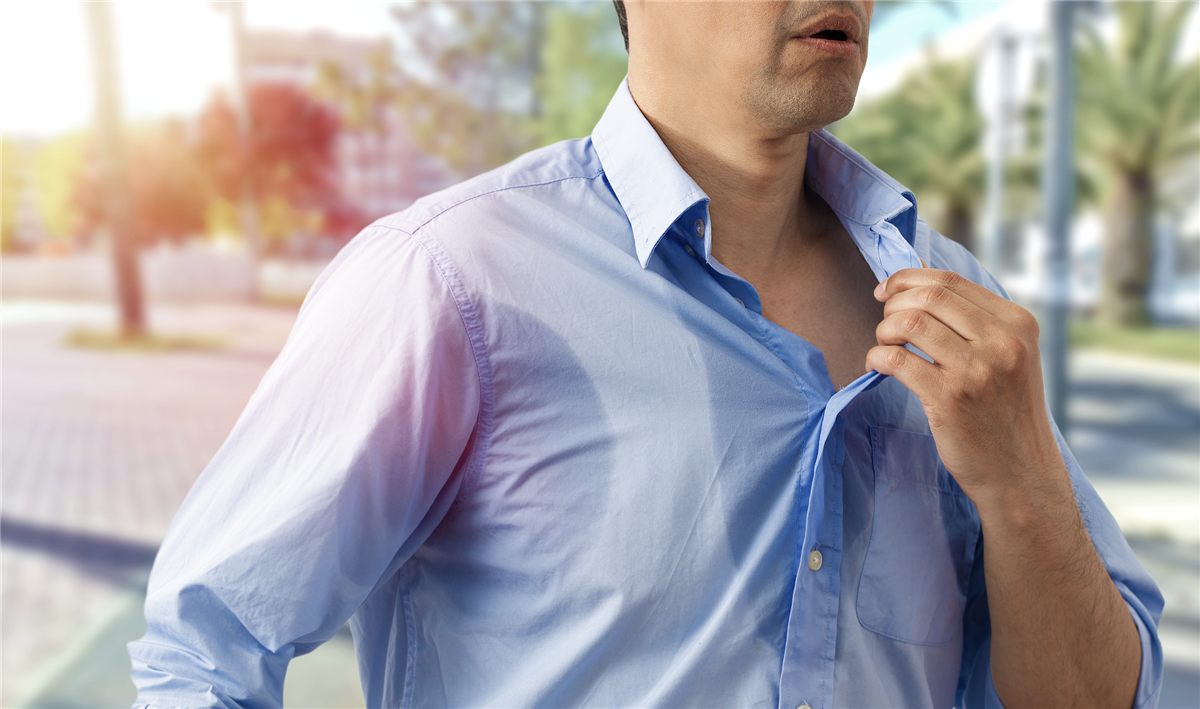
In early June, Ben Noll, a meteorologist affiliated with New Zealand’s National Institute of Water and Atmospheric Research, asserted that Texas would experience extreme temperatures, ranking it among the most scorching locations on the planet.1 Ben is right that our heat makes the outdoors harsh, but the true key here is the humidity, which has driven the “feels like” temperature (a.k.a. “heat index”) up to 115° at times this summer. This is caused by what has been called a “heat dome.”
This isn’t a new problem, but it does present unique challenges for anyone spending time outdoors, necessitating strategies to cope with the outdoor sauna-like conditions.
Hydrate to Cool Down
Sweating is the body’s natural method of cooling down. As sweat evaporates off your skin, it creates a cooling effect – kind of similar to how your home air conditioner works. In order to sweat, your body excretes electrolytes, and water follows. This explains why sweat tastes salty. Therefore, the greater the heat, the more water and electrolytes are expended to cool down. Drinking plenty of fluids throughout the day replenishes your ability to sweat. This is in large part why hydration is crucial.
Symptoms of mild dehydration include thirst, dry mouth, and dark yellow urine (this may be the most objectively easy to identify). Symptoms of moderate dehydration include dry skin, headache, dizziness, and muscle cramps. Severe dehydration symptoms are rapid heartbeat, rapid breathing, sunken eyes, and confusion. Passing out may happen with moderate to severe dehydration.
Battling Dehydration
Don’t wait until symptoms get severe to take action. Pre-plan your activities for cooler times of the day. In the event you are out for an extended period of time or in the hotter times of the day, drink 1 cup (8 ounces) of water every 30 minutes you are in the heat. If you go more than 2 hours without needing to urinate, you are certainly lacking in proper hydration and are “running on fumes.”

Water is the best choice for staying hydrated, but other fluids can also be beneficial.
- Sports drinks contain electrolytes such as sodium and potassium which can help replace minerals lost through sweating.
- Coconut water is also a good source of electrolytes and contains natural sugars which can help provide energy.
- Alkaline pH hydration drinks are also quite popular. These pH optimized products are said to be best for cellular hydration. Research is conflicting, but it appears that the alkaline water may be better to improve the pH or viscosity (thickness) of the blood, as dehydration causes a slightly thicker blood mixture.
- There are powdered hydration packets that you may also add to your water. These usually contain electrolytes and some flavoring. Be wary of those that contain caffeine, as this can cause problems for your heart and kidneys in the heat. To restate, do not drink any caffeine for the purpose of rehydration.
If you are experiencing severe dehydration or are unable to drink fluids orally, intravenous vitamin therapy may be needed. This involves receiving fluids and vitamins through the vein (IV rehydration).
Summary
In sum, sweating helps cool you down, and you can become quite accustomed to the heat this way. However, even with the best of intentions, it is possible to get dehydrated, especially if you have had either respiratory illness or a ‘stomach bug.’ We lose more fluids with fever, runny nose, diarrhea or vomiting.

In regards to intravenous (IV) fluids, this can target mild to moderate dehydration quickly. Since it is possible to remain fatigued up to 2 days after an especially hot outside event, IV may be the best option for some people. This is something we offer at gerstenberg.clinic through Hydrate. However, any IV that you receive will have the ancillary benefit of boosting your hydration. In no way should IV rehydration therapy be done in someone who has had prolonged or severe illness. Seek your regular health care provider or emergency services for the most appropriate medical evaluation and treatment.

Hydrate IV is simply fluids and electrolytes. We offer an array of options, where some are more for chronic conditions and others on an “as needed” basis.
Wishing you a safe and happy summer!