
It’s the Bee’s Knees!
Nearly 1 in 2 adults gets arthritis, but with the right therapy most people can avoid knee surgery. How viscosupplementation works, who qualifies, and how PRP can boost healing.
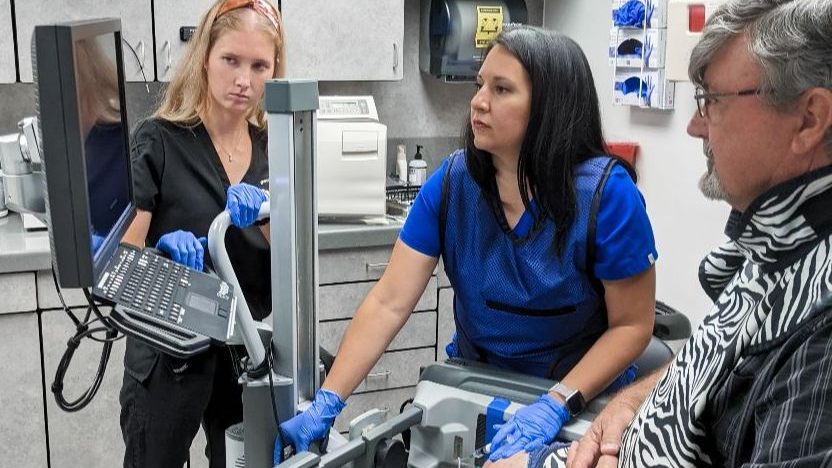
Nearly 1 of every 2 adults gets arthritis, but with proper therapy, most people can avoid knee surgery. Our knee pain program is covered by most insurances, and if you see good results but still need help, most insurances will also pay for you to repeat the program.
What’s happening in an arthritic knee
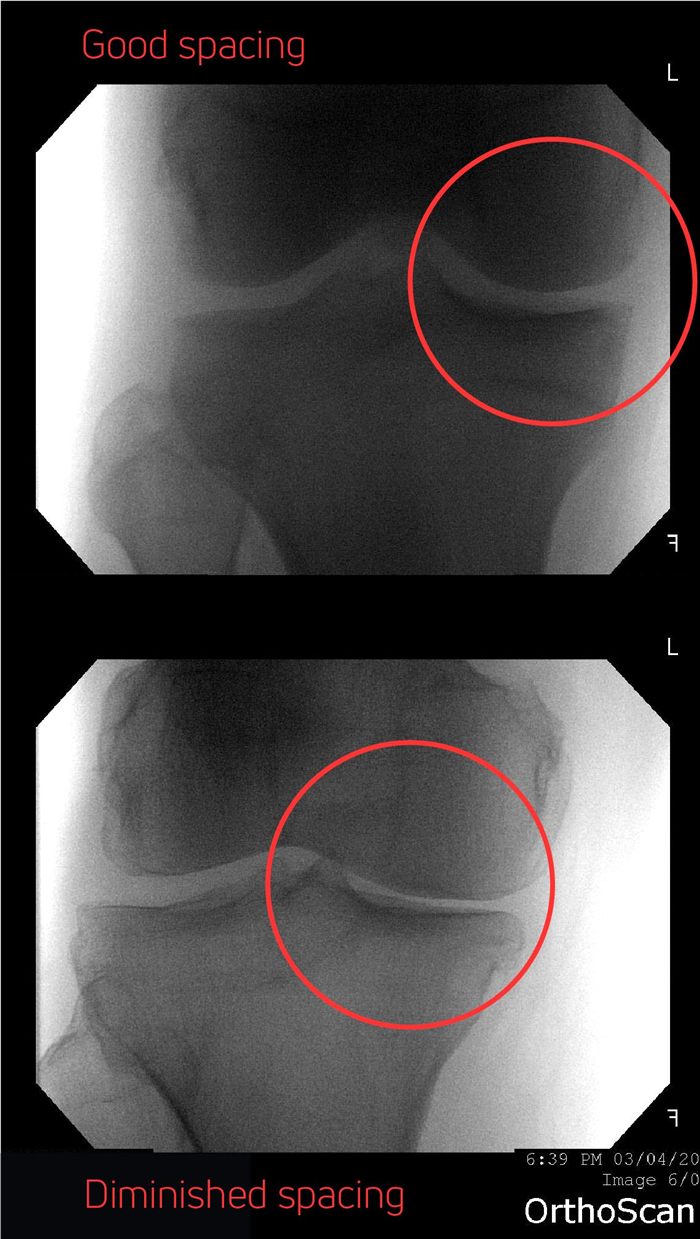
If you have osteoarthritis of the knee, the protective cartilage in your knee joint has been damaged and the cushioning joint fluid is mostly gone. This causes loss of range of motion, pain, and limits on how long you can stand or walk.
- Cortisone is the most common injection for knee pain. But instead of helping the natural cushioning fluid in your knee capsule, it actually dries the joint out, further damaging it after repeated injections.
- Knee replacement (partial or total) is the other common option, and afterward 50% of patients are still in pain.
There’s another way: viscosupplementation
What many call “rooster comb” injections are placed directly into the joint space using precision live x-ray guidance. This viscosupplement fluid is bio-identical to what naturally occurs in your knee. It reduces friction and allows the knee to heal.
Our goal is to avoid knee replacement altogether. Our treatment protocol delays surgery an average of 2.5 years, and most insurances pay for treatment because it has been shown to prevent knee replacements.
Think you qualify?
Have you had at least 6 months of knee pain, including pain even at rest? To demonstrate your need for care to your insurance:
- Have you tried anti-inflammatory medications?
- Have you used any topical rubs or creams?
- Have you used a brace or done any stretches, even at home?
See if you’re a candidate for treatment. Tell our screening assistant about your knee pain and it will point you to the right next step.
The treatment schedule
Just like a broken bone takes time to heal, so will the knee.
- Initial consultation with x-rays.
- An office visit for each knee for an arthrogram, to make sure you qualify.
- Treatment: each affected knee gets a separate day of treatment for up to 5 weeks in a row.
Every body is different. Some people notice improvement right away, and others take more time. Regenerating joint fluid can take up to 6 months after the last injection, but it’s worth it to prevent a knee replacement.
Boost healing with PRP
We also recommend Platelet Rich Plasma (PRP) injections. We take your own blood and use a high-speed centrifuge to separate out the platelet-rich plasma. Plasma contains proteins, growth factors and stem cells that support healthy regeneration, and injecting it stimulates the body to grow new, healthy cells where tissue is damaged. In the knee, PRP can help grow back lost cartilage. Watch our videos about PRP.