
Mold: A Cause of Chronic Disease
How mycotoxins can drive fatigue, brain fog and chronic pain, how mold illness is tested for, and the first steps to address it.

Mold, fungus, yeast, mildew… are all related organisms. Some can be helpful, even nutritional, but there are just as many types that release toxic chemicals that negatively affect humans. Biotoxins (biologically-originating toxins) that are produced by fungi (mold) are called mycotoxins. These chemicals can cause a myriad of often subtle effects on us, sometimes building to chronic illness.
Mold and mold toxic effect are perhaps the most unrecognized medical problems humans face, but yet probably one of the most common actual exposures. It is estimated that up to 80-90% of individuals have ongoing or chronic mold exposure, while over 50% have chronic symptoms related to mold and mold toxicity to some degree.
What are symptoms caused by mold?
Many chronic conditions, such as fibromyalgia, chronic fatigue, and some autoimmune disorders may be exacerbated by mold exposure or toxicity. Further, mold (or mycotoxins) may be the sole cause of fatigue, brain fog, psychological conditions, etc. Recognizing this possibility is the first step towards internal remediation. However the most limiting factor for patients is not knowing where to turn for help or failing to take action in seeking necessary professional help.
Mold exposure commonly may cause:
- Fatigue
- Brain fog / poor mental clarity
- Depression or anxiety
- Chronic pain (muscle or joints)
- Tremors
- Sinus problems
- Tearing
- Blurred vision
- Red eyes
- Skin sensitivity or numbness
- Night sweats
- Excessive thirst or urination
- Headaches
- Vertigo
- Tinnitus (ringing in the ears)
- And many more chronic symptoms
How do I know if mold is affecting me?
After considering if you have symptoms and exposure consistent with mold related illness, there are markers that can substantiate symptoms to the effects of mold and mold toxins. At gerstenberg.clinic, we use advanced lab testing from several labs to identify which mold and mold toxins may be affecting you and if there are internal markers of inflammation present in your system, such as transforming growth factor beta (TGFb), vasoactive intestinal peptide (VIP), melanocyte stimulating hormone (MSH), split products of complement activation (C3a and C4a) and others. These are all blood markers. Specialty labs such as Vibrant America provide specific, in-depth assessments.
More accessible as a first step, anyone can take a visual contrast screening (VCS) test at survivingmold.com, which has been shown to give evidence of mold effect in one’s neurologic system. This has also been used to measure improvement over time.
What can be done to address mold toxicity?
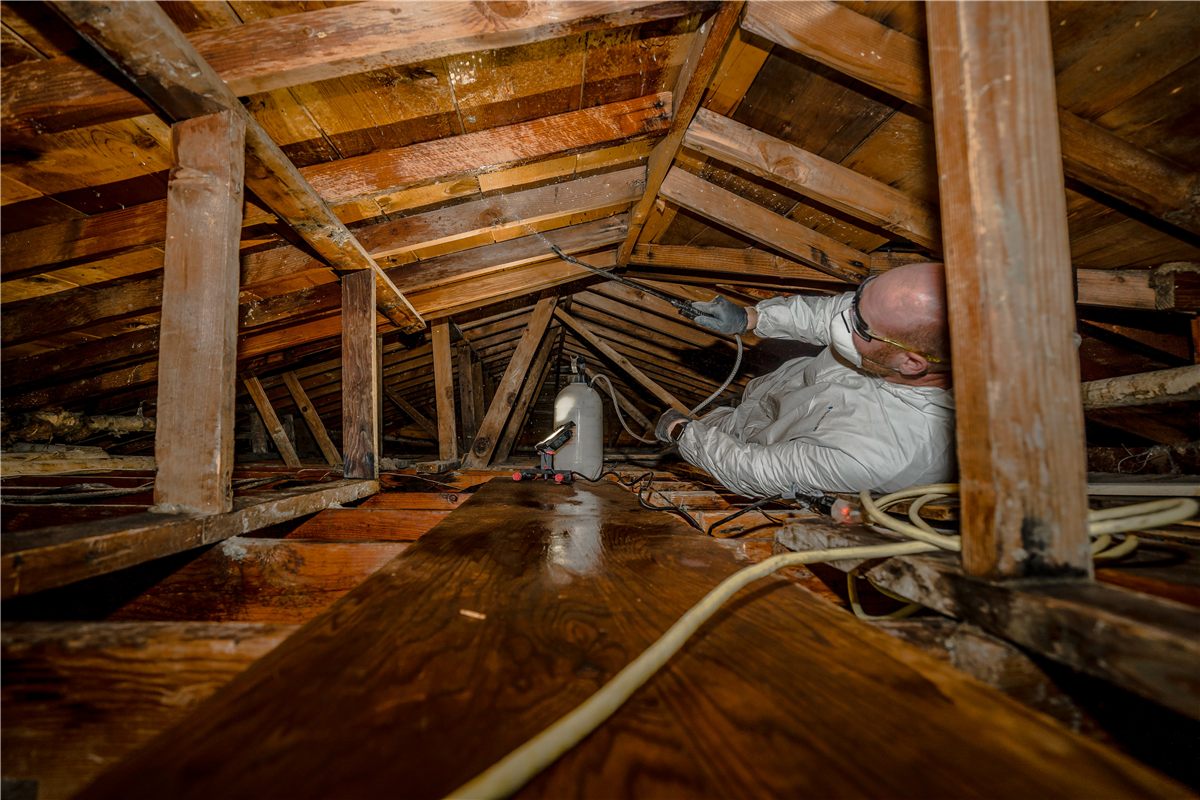
The most important measure to employ is to clean up the known mold exposure.
If you can see mold, that’s an obvious problem. Spraying vinegar and letting it sit for an hour, then cleaning it is a temporary fix. (Make sure to wear a mask, eye protection and gloves if you clean it yourself.) But visible mold is a sign of a larger problem, and affected sections of drywall and baseboards should be removed and replaced to truly deal with the problem.
For unseen exposure, home testing and remediation (house, condo, or apartment etc.) is best done with an environmental specialist. However, there are very good self tests which can give actionable, specific results. One such company based in Texas uses either air or dust samples that the homeowner collects by a specific protocol.
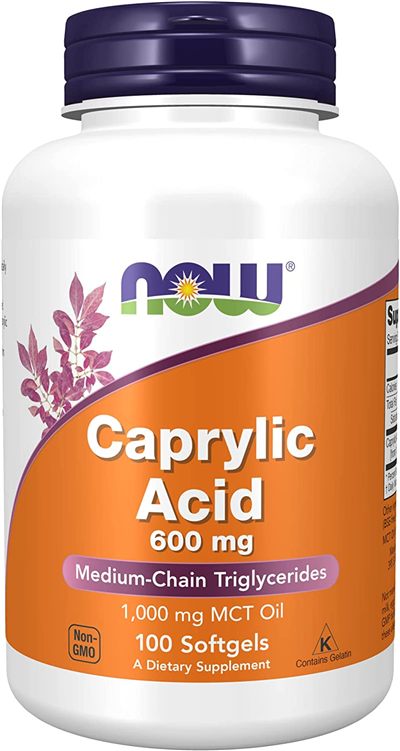
Detoxification measures are next. Binders are first employed in a functional, holistic manner that supports one from not ‘crashing’ while this is undertaken. Nutritional support is mandatory, and we often recommend employing IV ozone/UBI therapy. Each approach is individualized to avoid detox reactions, maintain daily function and optimize the individual’s response. However, it must be noted that recovering from any chronic condition takes time, so patient persistence is a must. In addition, there must be a realization that based on one’s own genetic, immunologic capacities, as with any real-life system, reasonable goals must be set in regard to what ‘optimal’ looks like for that individual.
For more information, make an appointment for a functional mold assessment to ascertain how chronic condition(s) you may have may be affected by mold.